
Honoring the rhythm children bring to the classroom. Bridging research to best practices
Tag: K12
-
It’s Been Awhile
It’s been a while, but I’ve been busy with school and work since January. For the past two months, I worked with a company that does reports to the National Assessment for Educational Progress, the organization that produces the national report card. I traveled throughout Washington and assessed 4th, 8th, and 12th graders in Reading… Read.
-

Lesson Plan (45 minutes): Rhythm Rhymes: Moving and Grooving with Words
This 40-minute lesson plan integrates the Dalcroze Eurythmics approach to music instruction with English Language Arts concepts for 2nd grade students. Through a series of engaging movement and rhythmic activities, students will explore vowel sounds, prefixes, and suffixes in a multisensory way. Read.
-

Hitting the Wrong Note: Problematic Approaches in Teaching Music to Autistic Kids
Traditional music education often fails autistic students by focusing too narrowly on skills like note-matching, rather than fostering genuine musical engagement. This post examines the case of an autistic child instructed to match notes while classmates explored musical expression, highlighting how such rigid pedagogy overlooks autistic students’ unique strengths and needs. Inclusive practices allowing varied… Read.
-
Lesson Plans (6-10)
Did you miss my last five lesson plans? I’ve listed them here for your convenience! Read.
-

The Power of Music for Girls with Inattentive ADHD
In this blog, read more about the benefits music education has for girls who struggle with inattentive ADHD. Highlights include connections to executive function, academic achievement, and neurological development. Read.
-
Lesson Plan (50-min): Rockin’ Grammar Grooves in 2nd grade
In this engaging lesson, 2nd graders learn grammar concepts by translating sentences into rhythmic musical phrases. Creating beat patterns reinforces subjects, verbs, and pronouns through auditory and kinesthetic activities. Performing the “grammar grooves” allows students to creatively experience and internalize standard English conventions. Read.
-
Lesson Plan (50 minutes): Beats and Bytes: A Percussive Exploration of Phonological Frontiers
This dynamic lesson integrates drumming to kinesthetically reinforce phonological awareness skills. Students drum rhythms representing rhymes, sounds, and syllables – segmenting words into beats and blending beats into words. The multi-sensory approach promotes literacy development through interpretive movement and rhythmic improvisation, aligning with music and ELA standards. Read.
-
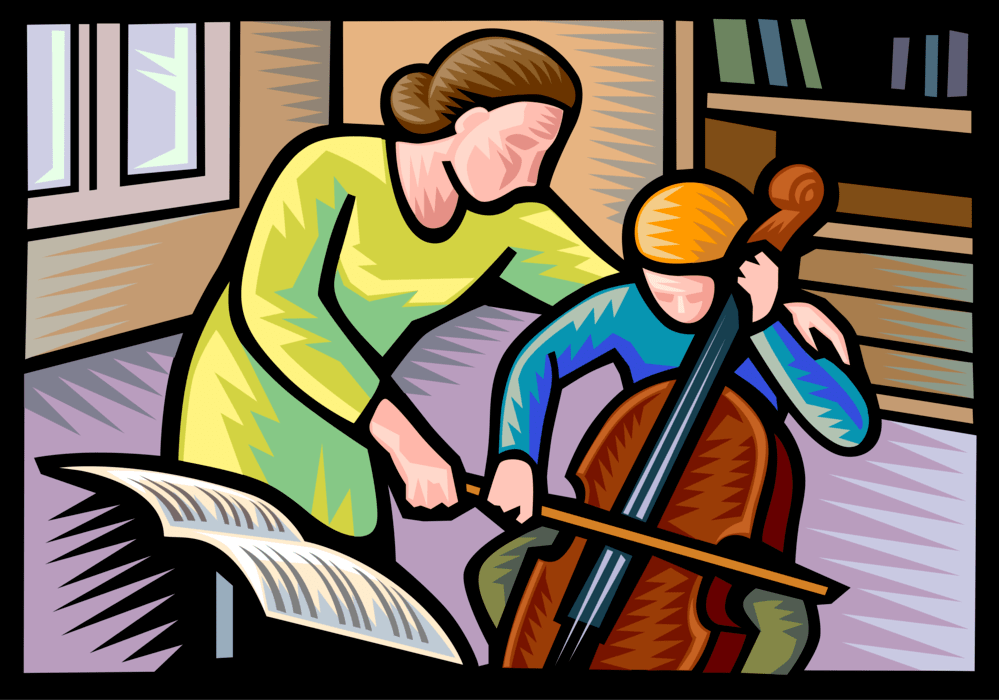
Honoring the melody makers: Celebrating Music Teachers
Let’s honor the unsung heroes of education—music teachers. Their passion for both teaching and music leaves an indelible mark on the lives of their students. From instilling discipline to fostering creativity, they shape not just musicians, but resilient individuals equipped for life’s symphony. Read.
-
Lesson Plan (45-minutes): Jazz Up Your Vocabulary
This multisensory lesson connects vocabulary development to jazz music. Students interpret vocabulary words through movement, improvisation, and performance, exploring how context clues and musical elements convey meaning. By bridging ELA and music, learners deepen word comprehension through an engaging, interdisciplinary approach. Read.
-

The Power of Music for Autistic Students
In this blog, I share witnessing the magic of #MusicTherapy for #AutisticStudents. Circle time songs unlock inner genius, proving #NeurodiversityIsAStrength. #SpecialEducation #InspiredByMusic Read.

 erzsie.com