
Honoring the rhythm children bring to the classroom. Bridging research to best practices
Tag: music
-
The Power of Connection: Conversations That Shape Future Research
Sometimes the most valuable part of research isn’t what you find in journals—it’s what you discover in conversation. Over the past few weeks, I’ve connected with two remarkable colleagues: Mindy Peterson, whose podcast Music Education Conversations amplifies voices across our field, and Sue Newman, co-founder of Boogie Mites in the UK, who’s built a business… Read.
-
Hitting the Wrong Note: Problematic Approaches in Teaching Music to Autistic Kids
Traditional music education often fails autistic students by focusing too narrowly on skills like note-matching, rather than fostering genuine musical engagement. This post examines the case of an autistic child instructed to match notes while classmates explored musical expression, highlighting how such rigid pedagogy overlooks autistic students’ unique strengths and needs. Inclusive practices allowing varied… Read.
-

The reason for music
In this new blog, I talk about how #Music is woven into human #culture & #experience. More than pleasant sound, it shapes #cognitive #social #emotional growth from young age. Discover profound ways #music enriches lives: #BrainDevelopment #LanguageFoundation #HealingPower #SocialConnections #MusicEducation Read.
-
Healing Melodies: How Music Rescued My Mental Health
Music and mental health are intricately related. There is a positive correlation between music and improved mental health. Here are some songs I attribute to improved mental health. Read.
-

The Beat Goes On: How Drumming Enhances Phonological Awareness
#Drumming enhances #phonological awareness by requiring children to recognize and produce patterns of sounds. As they break down #rhythms into individual beats and blend beats into rhythms, they practice segmenting and blending #phonemes, critical skills for #reading and #writing. Read.
-
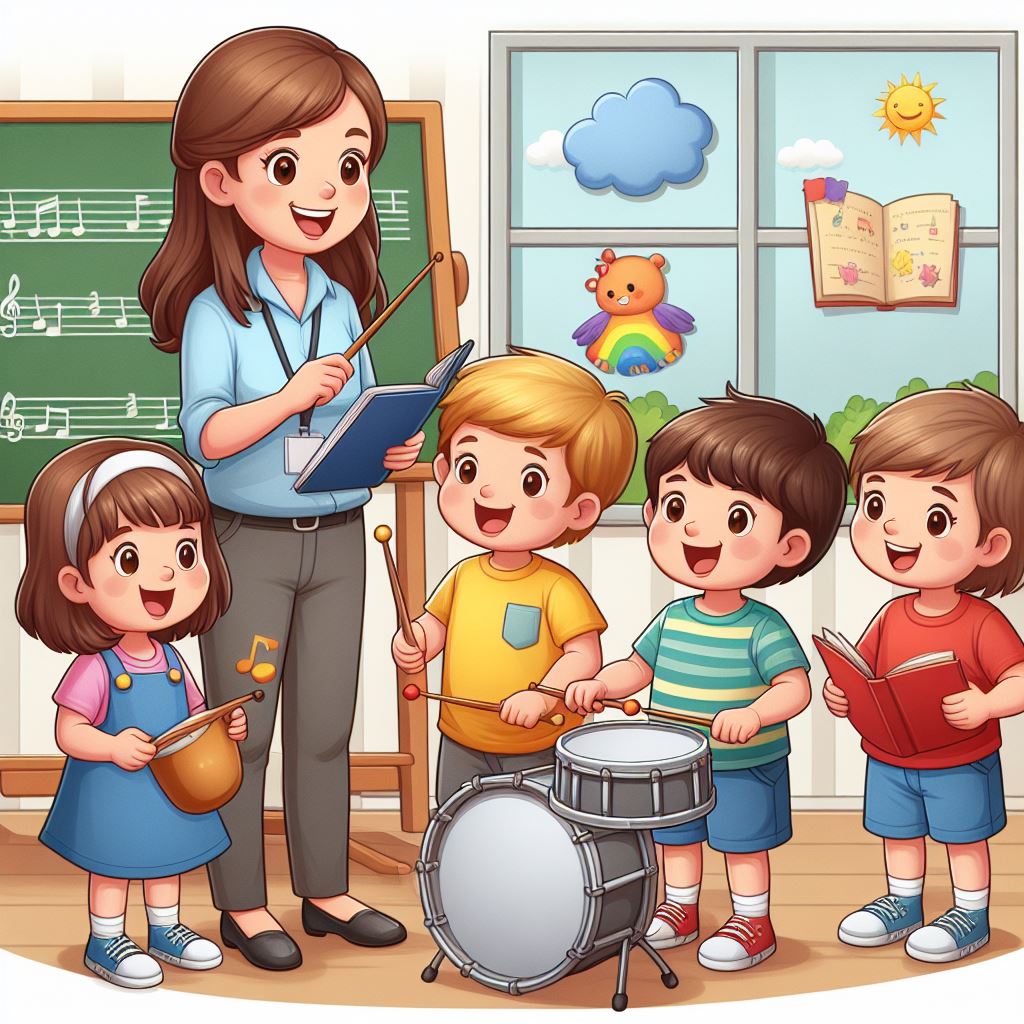
Lesson Plan (50 minutes): Beats and Bytes: A Percussive Exploration of Phonological Frontiers
This dynamic lesson integrates drumming to kinesthetically reinforce phonological awareness skills. Students drum rhythms representing rhymes, sounds, and syllables – segmenting words into beats and blending beats into words. The multi-sensory approach promotes literacy development through interpretive movement and rhythmic improvisation, aligning with music and ELA standards. Read.
-
The Transformative Power of Music Education: Cultivating Appreciation for Life’s Artistic Expressions
Music education transcends mere instruction, nurturing a profound appreciation for life’s artistic expressions. It sparks a connection to the emotive power of sound, fostering reverence for the world’s wonders. Through discipline and collaboration, it transforms minds and spirits, guiding us on a journey of self-discovery and enlightenment. Read.
-
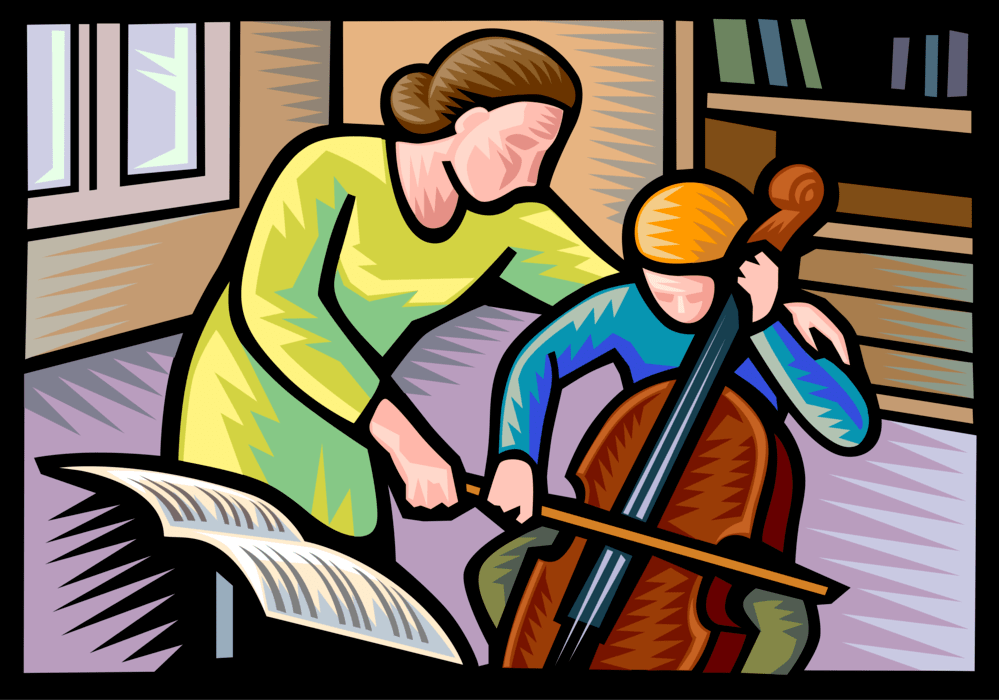
Honoring the melody makers: Celebrating Music Teachers
Let’s honor the unsung heroes of education—music teachers. Their passion for both teaching and music leaves an indelible mark on the lives of their students. From instilling discipline to fostering creativity, they shape not just musicians, but resilient individuals equipped for life’s symphony. Read.
-
Lesson Plan (45-minutes): Jazz Up Your Vocabulary
This multisensory lesson connects vocabulary development to jazz music. Students interpret vocabulary words through movement, improvisation, and performance, exploring how context clues and musical elements convey meaning. By bridging ELA and music, learners deepen word comprehension through an engaging, interdisciplinary approach. Read.
-

The Power of Music for Autistic Students
In this blog, I share witnessing the magic of #MusicTherapy for #AutisticStudents. Circle time songs unlock inner genius, proving #NeurodiversityIsAStrength. #SpecialEducation #InspiredByMusic Read.

 erzsie.com