
As a para-educator, I’m gaining invaluable firsthand insight into child development. Each day, the school district sends me to a different school, ranging from preschool to transitional programs for young adults with mental disabilities. The unpredictability can be challenging, but it’s also incredibly rewarding.
Today, I found myself in a preschool setting for the first time. It was a departure from my usual assignments in special education across various grade levels. In the class I supported, we had ten students in the morning and thirteen in the afternoon.
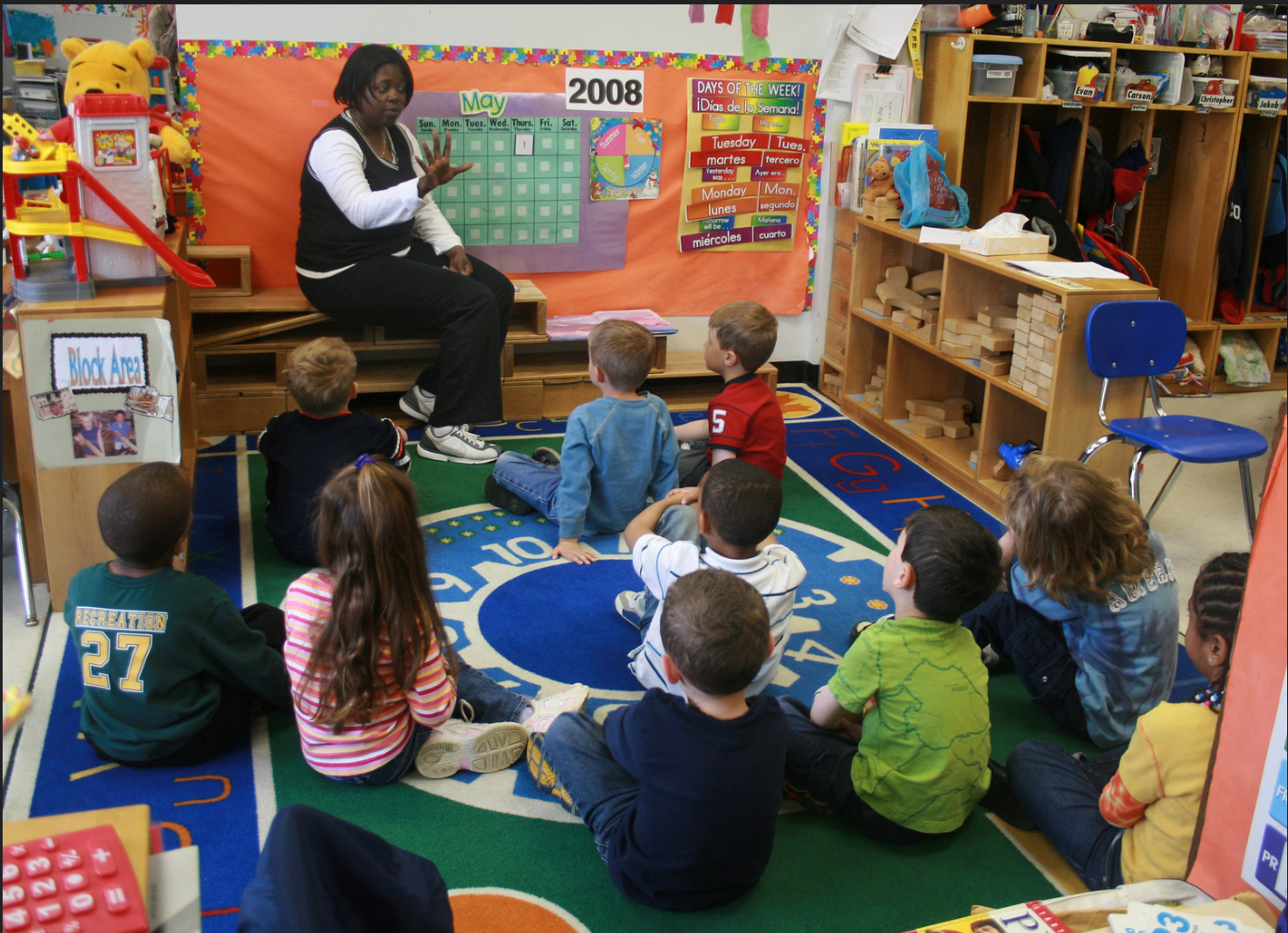
While I had studied child development, nothing quite prepares you for the reality of working with children of this age. I anticipated activities like circle time, a staple in preschool routines. Here, it bookended the students’ half-day sessions. Throughout the day, we focused on honing manual dexterity — writing and spelling names, flipping through picture books, and engaging with toys. Despite the lack of overt academics, I was amazed to witness every student confidently tracing over the letters of their their name, some with remarkable penmanship.
A key objective was teaching sharing and turn-taking. The teacher ingeniously employed an hourglass, granting one-minute intervals for toy-sharing negotiations. It was a small tool with a big impact, teaching patience and cooperation.
In my brief tenure as a para-educator, I’ve encountered countless timers, yet the concept of a minute takes on new significance when a student pleads for just a bit more time for a break!
My time at the preschool was a joyous experience, and I feel more equipped for future assignments there.

 erzsie.com
Leave a comment