Erzsie MERA
Honoring the rhythm children bring to the classroom. Bridging research to best practices
Tag: education
-
Your heart already knows the beat
Before a child ever sets foot in a music classroom, their body has already been keeping a beat for their entire life. Lub-dub. Lub-dub. Lub-dub. For students who struggle to find and maintain an external beat — including those with ADHD, dyslexia, autism, or sensory processing differences — this is a powerful starting point: rhythm… Read.
-

The Research Waiting at the Finish Line: On staying focused now so I can show up fully later
There is something quietly thrilling about knowing what comes next.I am currently in one of the more suspended moments of doctoral lifewaiting on final edits from my dissertation chair on Chapter 3 while preparing my proposal presentation for my committee. Four more weeks of this phase, and then, if all goes as planned, I move… Read.
-
It’s Been Awhile
It’s been a while, but I’ve been busy with school and work since January. For the past two months, I worked with a company that does reports to the National Assessment for Educational Progress, the organization that produces the national report card. I traveled throughout Washington and assessed 4th, 8th, and 12th graders in Reading… Read.
-
The Power of Connection: Conversations That Shape Future Research
Sometimes the most valuable part of research isn’t what you find in journals—it’s what you discover in conversation. Over the past few weeks, I’ve connected with two remarkable colleagues: Mindy Peterson, whose podcast Music Education Conversations amplifies voices across our field, and Sue Newman, co-founder of Boogie Mites in the UK, who’s built a business… Read.
-
Lesson Plan (45 minutes): Rhythm Rhymes: Moving and Grooving with Words
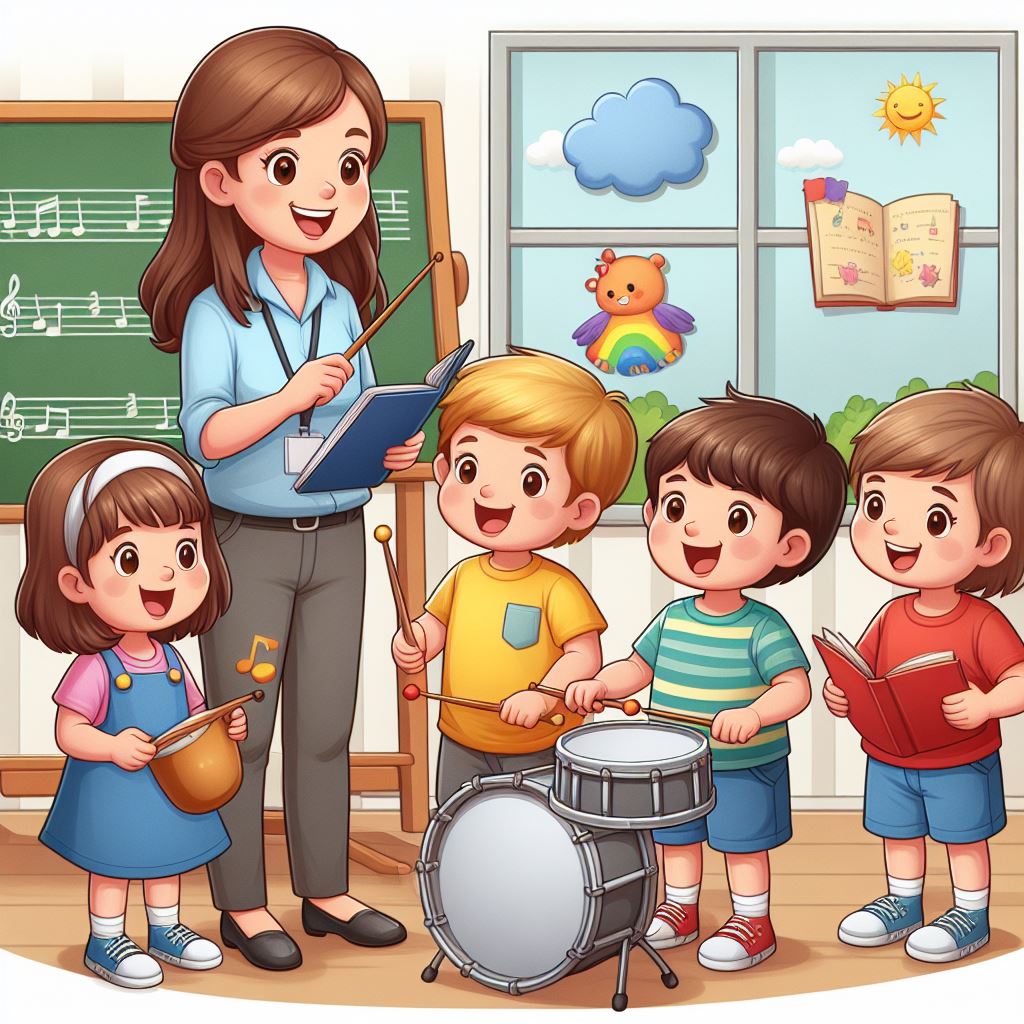
This 40-minute lesson plan integrates the Dalcroze Eurythmics approach to music instruction with English Language Arts concepts for 2nd grade students. Through a series of engaging movement and rhythmic activities, students will explore vowel sounds, prefixes, and suffixes in a multisensory way. Read.
-

Hitting the Wrong Note: Problematic Approaches in Teaching Music to Autistic Kids
Traditional music education often fails autistic students by focusing too narrowly on skills like note-matching, rather than fostering genuine musical engagement. This post examines the case of an autistic child instructed to match notes while classmates explored musical expression, highlighting how such rigid pedagogy overlooks autistic students’ unique strengths and needs. Inclusive practices allowing varied… Read.
-
Lesson Plans (6-10)
Did you miss my last five lesson plans? I’ve listed them here for your convenience! Read.
-

The reason for music
In this new blog, I talk about how #Music is woven into human #culture & #experience. More than pleasant sound, it shapes #cognitive #social #emotional growth from young age. Discover profound ways #music enriches lives: #BrainDevelopment #LanguageFoundation #HealingPower #SocialConnections #MusicEducation Read.
-

The Power of Music for Girls with Inattentive ADHD
In this blog, read more about the benefits music education has for girls who struggle with inattentive ADHD. Highlights include connections to executive function, academic achievement, and neurological development. Read.
-
Lesson Plan (50-min): Rockin’ Grammar Grooves in 2nd grade
In this engaging lesson, 2nd graders learn grammar concepts by translating sentences into rhythmic musical phrases. Creating beat patterns reinforces subjects, verbs, and pronouns through auditory and kinesthetic activities. Performing the “grammar grooves” allows students to creatively experience and internalize standard English conventions. Read.


