Erzsie MERA
Honoring the rhythm children bring to the classroom. Bridging research to best practices
Tag: rhythm
-

The Research Waiting at the Finish Line: On staying focused now so I can show up fully later
There is something quietly thrilling about knowing what comes next.I am currently in one of the more suspended moments of doctoral life — waiting on final edits from my dissertation chair on Chapter 3 while preparing my proposal presentation for my committee. Four more weeks of this phase, and then, if all goes as planned,… Read.
-
It’s Been Awhile
It’s been a while, but I’ve been busy with school and work since January. For the past two months, I worked with a company that does reports to the National Assessment for Educational Progress, the organization that produces the national report card. I traveled throughout Washington and assessed 4th, 8th, and 12th graders in Reading… Read.
-
The Power of Connection: Conversations That Shape Future Research
Sometimes the most valuable part of research isn’t what you find in journals—it’s what you discover in conversation. Over the past few weeks, I’ve connected with two remarkable colleagues: Mindy Peterson, whose podcast Music Education Conversations amplifies voices across our field, and Sue Newman, co-founder of Boogie Mites in the UK, who’s built a business… Read.
-

Lesson Plan (45 minutes): Rhythm Rhymes: Moving and Grooving with Words
This 40-minute lesson plan integrates the Dalcroze Eurythmics approach to music instruction with English Language Arts concepts for 2nd grade students. Through a series of engaging movement and rhythmic activities, students will explore vowel sounds, prefixes, and suffixes in a multisensory way. Read.
-
Lesson Plan (50-min): Rockin’ Grammar Grooves in 2nd grade
In this engaging lesson, 2nd graders learn grammar concepts by translating sentences into rhythmic musical phrases. Creating beat patterns reinforces subjects, verbs, and pronouns through auditory and kinesthetic activities. Performing the “grammar grooves” allows students to creatively experience and internalize standard English conventions. Read.
-

The Beat Goes On: How Drumming Enhances Phonological Awareness
#Drumming enhances #phonological awareness by requiring children to recognize and produce patterns of sounds. As they break down #rhythms into individual beats and blend beats into rhythms, they practice segmenting and blending #phonemes, critical skills for #reading and #writing. Read.
-
Lesson Plan (50 minutes): Beats and Bytes: A Percussive Exploration of Phonological Frontiers
This dynamic lesson integrates drumming to kinesthetically reinforce phonological awareness skills. Students drum rhythms representing rhymes, sounds, and syllables – segmenting words into beats and blending beats into words. The multi-sensory approach promotes literacy development through interpretive movement and rhythmic improvisation, aligning with music and ELA standards. Read.
-
Lesson Plan (50 min): Rhythmic Writing and Word Play
New blog: Rhythmic writing lesson fuses #ELA and #music for grades 2-3. Incorporates #musicpriming, clapping/moving to word rhythms, and “air writing” for multisensory #spelling, #sightwords and #handwriting practice. Engages kinesthetic learning, improves phonics and motor skills. #elementaryed #lessonplan Read.
-
Dalcroze music pedagogy in elementary education
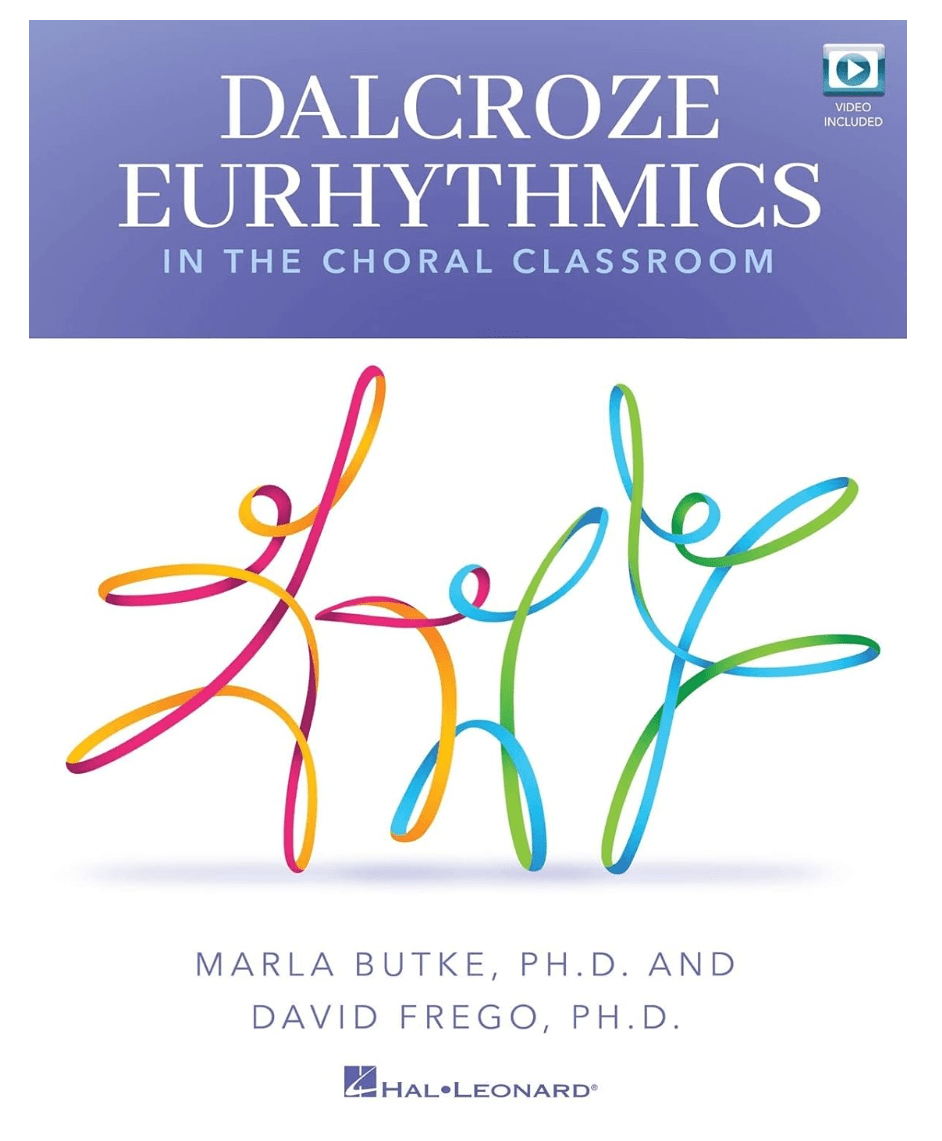
The Dalcroze music pedagogy uses rhythm, movement, and listening to teach musical concepts in a multisensory way. For elementary students, it develops crucial skills like coordination, impulse control, phonological awareness, and auditory processing abilities. These support learning across subjects like reading, math, and following instructions. Dalcroze engages diverse learners kinesthetically while building executive function. Read.
-
Lesson Plan (45-min): Hip-hop Music in ELA
Try this Hip Hop-themed lesson plan for K5 to teach nouns and verbs. Share feedback if you use it in class! #ELA #MusicEducation #K5 #LessonPlan Read.

 Erzsie MERA